PHỐ HÀNG BUỒM – TỪ MỘT KHU THƯƠNG MẠI VEN SÔNG NHỘN NHỊP ĐẾN MỘT DI SẢN SỐNG
Ngày nay, Hàng Buồm là một trong những con phố đông đúc của khu phố cổ Hà Nội. Thế nhưng, ít ai biết rằng nơi đây từng thuộc phường Hà Khẩu – khu vực nằm sát bến sông, nơi thuyền bè và thương nhân tấp nập qua lại suốt nhiều thế kỷ.
Từ thế kỷ XVII, cộng đồng người Hoa đến cư trú và buôn bán đã góp phần tạo nên một "phố Khách" sôi động với những cao lâu, tửu điếm, trà đình và các hoạt động giao thương nhộn nhịp. Chính bối cảnh ấy cũng khiến nguồn gốc tên gọi Hàng Buồm đến nay vẫn còn nhiều cách lý giải và trở thành một trong những câu chuyện thú vị của 36 phố phường Hà Nội. Phố hàng Buồm có thật từng bán những cánh buồm cho thuyền bè? Hay cái tên ấy lại bắt nguồn từ những tấm mành, tấm vỉ đan bằng cói? Phố hàng Buồm ngày nay dài khoảng 300m, rộng gần 7m, kéo dài từ phố Đào Duy Từ đến ngã tư hàng Ngang – hàng Đường – Lãn Ông và cắt qua phố hàng Giày. Đây vốn là đất phường Hà Khẩu, một trong những phường cổ của kinh thành Thăng Long.
Theo cách lý giải quen thuộc, đúng như tên gọi, hàng Buồm là nơi bán các loại buồm bằng vải hoặc đan bằng cói lác phục vụ thuyền bè. Điều này khá hợp lý bởi khu vực Hà Khẩu xưa nằm sát bến sông, nơi tàu thuyền qua lại tấp nập, hoạt động giao thương diễn ra rất sôi động.
Tuy nhiên, một số tài liệu về Hà Nội xưa lại đưa ra một giả thuyết khác. "Buồm" ở đây có thể là bán các hàng cói đan như bị, giỏ, chiếu, mành buồm hoặc vỉ buồm – những sản phẩm đan lát bằng cói, tre, nứa dùng để che chắn, đậy thúng hàng hay phục vụ việc vận chuyển trên thuyền.
Thế nhưng, giả thuyết này cũng còn nhiều tranh luận. Bởi các mặt hàng đan lát, kể cả những chiếc vỉ buồm, vốn được ghi nhận bán nhiều ở phố hàng Chiếu, nằm ngay bên kia sông Tô Lịch xưa, chỉ cách hàng Buồm một quãng ngắn.Dần dần, đến khoảng thế kỷ XVII, khi cộng đồng người Hoa từ khu vực hàng Ngang dần mở rộng sang hàng Buồm, nơi đây trở thành phố Khách nổi tiếng. Những tửu điếm, trà đình và cao lâu mọc lên san sát để phục vụ thương nhân trong khung cảnh "trên bến dưới thuyền" nhộn nhịp.
Theo sách Hà Nội nửa đầu thế kỷ XX của Nguyễn Văn Uẩn, phố Hàng Buồm trong giai đoạn này nổi tiếng nhà hàng Cao Lâu, ngày nay một trong những ký ức nổi bật ấy đã được thay đổi thành Trường mẫu giáo Tuổi ThơKhông chỉ nổi tiếng với câu chuyện giao thương, Hàng Buồm còn được xem là một trong những con phố tập trung nhiều di tích lịch sử của phố cổ Hà Nội.
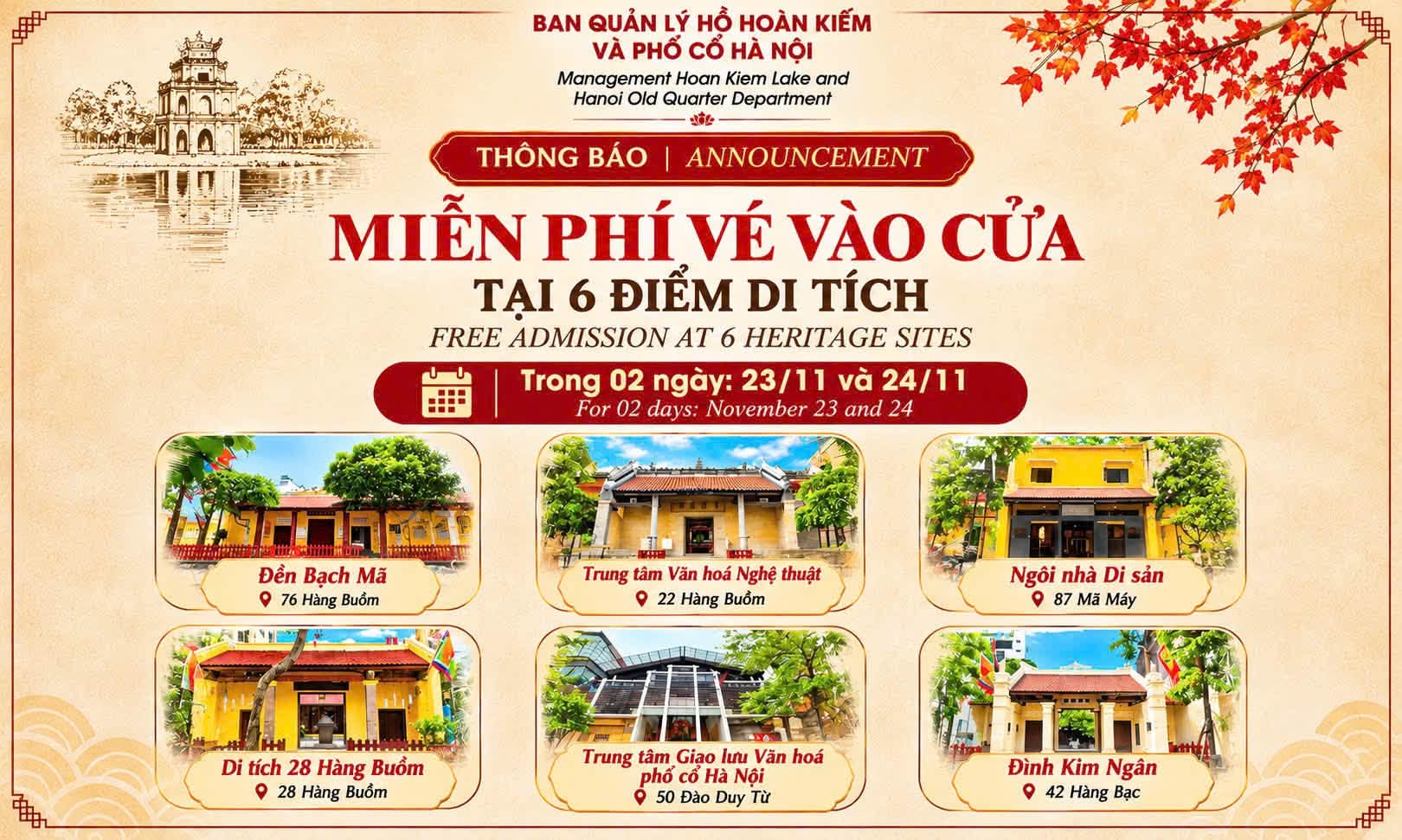
Nổi bật là Đền Bạch Mã – một trong Thăng Long tứ trấn, thờ thần Long Đỗ, vị thần được coi là người bảo hộ kinh thành Thăng Long.
Ngay trên tuyến phố là Đền Quan Đế, công trình gắn với tín ngưỡng của cộng đồng người Hoa, thờ Quan Công – biểu tượng của lòng trung nghĩa và chính trực.
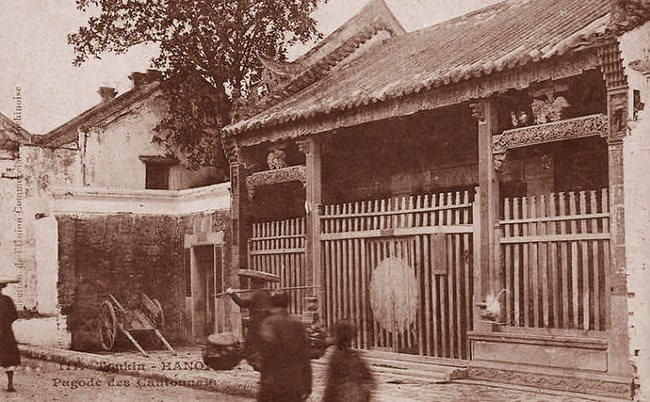
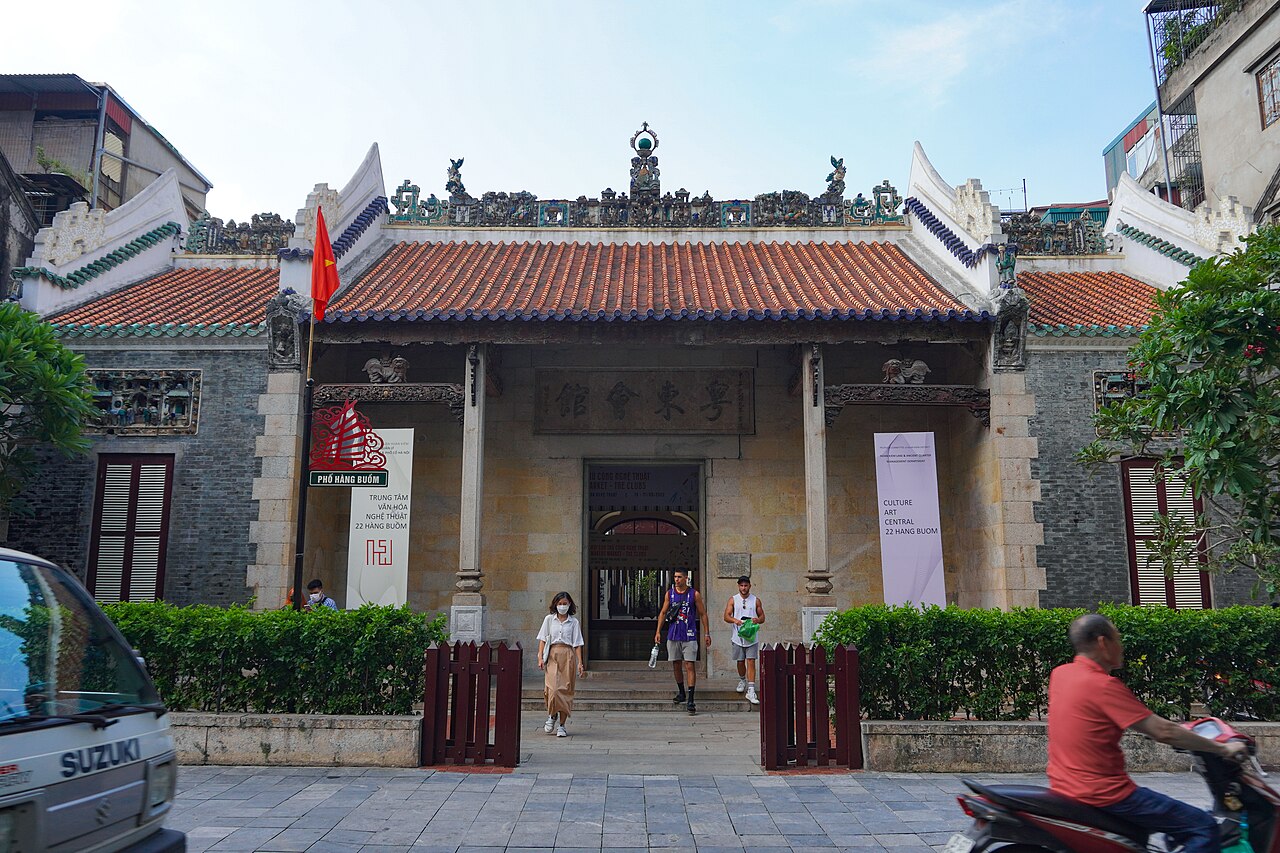
Bên cạnh đó, Trung tâm Văn hóa Nghệ thuật 22 Hàng Buồm từ một không gian di sản kiến trúc nghệ thuật nay đã là điểm sáng của các hoạt động Thiết kế sáng tạo, tổ chức hàng chục, hàng trăm sự kiện nghệ thuật mỗi năm, góp phần phát triển thành phố Hà Nội xứng tầm với danh hiệu Thành phố Sáng tạo của UNESCO trong lĩnh vực Thiết kế.
Ba công trình này đã tạo nên một quần thể di sản đặc sắc, phản ánh quá trình giao lưu văn hóa và lịch sử hình thành của khu phố cổ suốt nhiều thế kỷ.
HANG BUOM STREET – FROM A BUSTLING RIVERSIDE TRADING QUARTER TO A STREET OF LIVING HERITAGE
Today, Hang Buom Street is one of the busiest streets in Hanoi’s Old Quarter. Yet few people know that it was once part of Ha Khau Ward, a riverside neighborhood where boats and merchants came and went for centuries.
From the 17th century onwards, Chinese communities settled and established businesses here, gradually transforming the area into a vibrant Chinese trading quarter, known locally as Pho Khach, filled with restaurants, taverns, teahouses, and bustling commercial activities. This historical background has also given rise to several interpretations of the origin of the name “Hang Buom,” making it one of the intriguing stories of Hanoi’s famous 36 streets and guilds. Did Hang Buom once specialize in selling sails for boats? Or did its name originate from woven mats and screens made of sedge and other natural materials?
Today, Hang Buom Street stretches approximately 300 meters in length and nearly 7 meters in width, running from Dao Duy Tu Street to the intersection of Hang Ngang, Hang Duong, and Lan Ong Streets, crossing Hang Giay Street along the way. Historically, this area belonged to Ha Khau Ward, one of the ancient wards of the Thang Long Imperial Capital.
According to the most common explanation, the name “Hang Buom,” literally meaning “Sail Street,” reflects its former trade in sails made from cloth or woven sedge and rushes for boats. This interpretation seems reasonable, as the old Ha Khau area was situated close to a busy river wharf, where boats frequently arrived and departed, supporting a thriving commercial environment.
However, some historical accounts of Hanoi suggest another possibility. The name “Buom” may have referred not only to sails but also to various woven products, such as carrying bags, baskets, mats, woven screens (manh buom), and woven covers (vi buom). These items, made from sedge, bamboo, and other natural materials, were commonly used for shelter, covering goods, or transporting merchandise by boat.
Nevertheless, this interpretation remains a subject of debate. Historical records indicate that many woven goods, including vi buom, were primarily sold on Hang Chieu Street, located just across the former To Lich River, only a short distance from Hang Buom.
By the 17th century, as Chinese communities gradually expanded from Hang Ngang Street into Hang Buom, the area developed into a renowned Chinese trading quarter. Restaurants, teahouses, and taverns flourished along the street, catering to merchants amid the lively atmosphere of a riverside commercial hub.
According to Nguyen Van Uan’s book Hanoi in the First Half of the 20th Century, Hang Buom Street was once famous for its Cao Lau restaurant. One of the memorable sites associated with this former establishment was later transformed into Tuoi Tho Kindergarten.
Beyond its commercial history, Hang Buom is also regarded as one of the streets with the highest concentration of historical and cultural heritage sites in Hanoi’s Old Quarter.
Among its most remarkable landmarks is Bach Ma Temple, one of the Four Guardian Temples of ancient Thang Long, dedicated to Long Do, the protective deity of the former imperial capital.
Also located along the street is Quan De Temple, a religious site closely associated with the Chinese community. The temple is dedicated to Guan Yu (Quan Cong), a revered historical figure symbolizing loyalty, righteousness, and integrity.
Another important landmark is the Hanoi Old Quarter Cultural and Arts Center at 22 Hang Buom Street. Originally a site of significant architectural and historical heritage, it has been transformed into a dynamic venue for art, design, and creative activities. Hosting numerous artistic and cultural events each year, the center contributes to Hanoi’s development as a UNESCO Creative City of Design.
Together, these three heritage landmarks form a distinctive cultural ensemble, reflecting centuries of historical development, cultural exchange, and the rich multicultural identity of Hanoi’s Old Quarter.